
Let’s Talk About Maximalism’s So-Called Timelessness
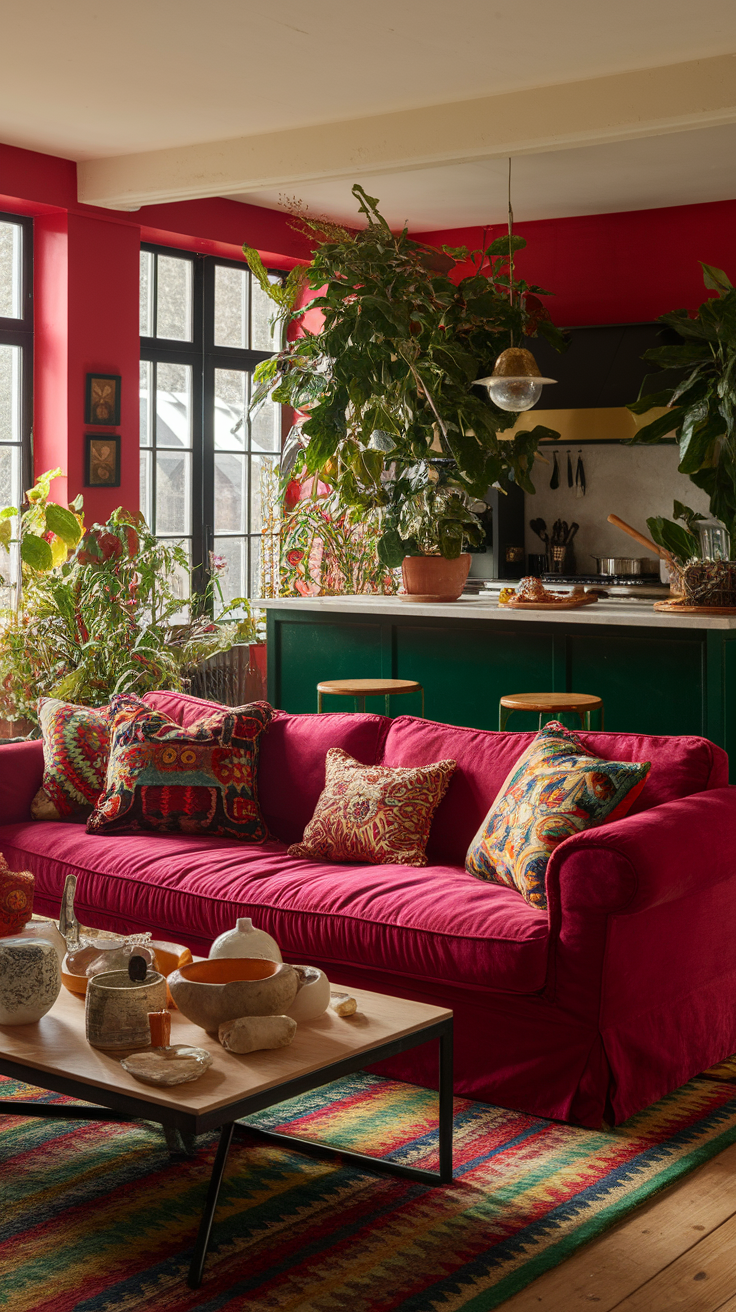
Look, I get it: open Instagram right now and maximalism is everywhere—plastered in jewel tones, busy prints, art stacked from floor to ceiling. Feels fun, quirky, fearless—like someone dared to ditch the rules. But lately, I can’t shake this slightly itchy feeling whenever people gush about how 'timeless' it all is. Is it really? Or are we just caught up in the dopamine rush of color and chaos?
Don’t get me wrong, maximalist decor and eclectic interiors have their charms. I once paired a wild, floral wingback chair (Etsy, $492—yes, painfully pricey!) with this grumpy looking antique dresser from my grandmother. My friends? Half of them loved it. The rest said it looked like my living room was cosplaying as a 90s thrift store. My mom shuffled in and immediately tried to cover the chair with a throw blanket. It was … a vibe? But was it truly timeless? I’m still not convinced.
And yet, according to the latest design stats, 33% of designers can’t get enough maximalism, and another third are mixing eclectic patterns and textures just for the joy of it. So if you do want to dabble, maybe start with small moves—a patterned rug, maybe some mixed print pillows from Society6 (seriously, they start at $24.99). Trust me, less painful for your wallet and ego if it doesn’t work out.
The Real Evergreen: Sustainability Over Flash
Now here’s the shift: All those fleeting trends eventually get swapped out, tossed, or sold at yard sales. What really sticks around? Pieces that last and choices that matter—hello, sustainable home decor. I learned this the hard way after splurging on a fluffy, pastel pink acrylic throw. It shed so much I thought I owned a bald cat. I finally replaced it with an organic cotton blanket from Coyuchi (it held up through three moves, a toddler, and an unfortunate red wine incident). Lesson learned.
Sustainable and thoughtful design isn’t just about climate guilt—it’s about calm, intentional living. These days, 25% of savvy shoppers seek eco-friendly options before anything else. I started hunting for vintage furniture last fall, and surprise: It’s not only easier to find than you think (hello, FB Marketplace), but nothing beats the satisfaction of snagging a gorgeous 70s walnut credenza for $200 flat. Talk about a steal—and the worn corners? Just added character.
If you’re looking to add sustainability without turning your home into a rustic farmhouse, try mixing reclaimed wood side tables, Fair Trade baskets (Ten Thousand Villages has cute ones starting at $34), or even swapping disposable candles for LED rechargeable ones (Amazon, $22 for a set of four). They might not flicker as romantically, but you’ll thank yourself during the next blackout.
Bold Color Kitchens: My Panic Paint Experience
I grew up in a house with a kitchen that was basically a white box—a colorless void where joy went to die. So the 2025 trend of bold, colorful kitchens? Sign me up. Apparently, 71% of designers are over sterile, mono-everything. There’s a real swing toward deep greens, burnt orange, and terracotta… which is how I ended up panic-painting my kitchen island forest green at midnight.
It was $54 for a gallon of Behr 'Back to Nature'—I justified the price as a ‘mental health investment.’ My husband saw it the next morning and literally dropped his coffee mug (thank goodness for tile). We all laugh about it now. Even my skeptical sister warmed up once I found emerald velvet bar stools at Target ($159 each, oddly comfy for the price). Suddenly, the kitchen feels alive, even on gray days.
Still nervous? Just try swapping in bright seat cushions or bold art. It’s less commitment for your nerves—and your deposit, if you rent.
The Age of the Oversized Sofa
Let’s be real: most of our living rooms double as crash pads, playrooms, and the occasional work-from-home cubicle. I used to think sleek, rigid couches were for cool adults. I was wrong. After breaking up with a painfully firm (but oh-so-stylish) West Elm loveseat, I moved on to a deep-seated, stain-resistant modular from Lovesac ($3,400 with chaise—yes, major splurge). Totally worth it. Friends sprawled out after movie night, my dog’s muddy feet washed right off, and when my kiddo spilled grape juice? No crisis.
This whole comfort-first trend isn’t about being lazy, it’s about survival. Slipcovers? Lifesaver. Modular setups? Rearrange them post-party and your living room feels brand new. If you’re browsing: check room size first (mine’s only 13x10 feet, so modular = essential). Don’t let Pinterest fool you, sometimes cozy beats chic, hands down.
Multi-Sensory Homes: Not Just a Buzzword
If you’re not obsessing over how your house smells, feels, and sounds, are you even redecorating in 2025? Sensory design is everywhere—think weighted blankets, soft wool rugs (my go-to is the Ikea Lohals, $139 for an 8x10), and dimmable lights that make your place look like golden hour all day. I never thought I’d be the person gushing about an essential oil diffuser, but the Vitruvi Stone ($119, but it doubles as an art piece) changed my life. Lavender before bed? Game changer.
Honestly the only downside? My partner played one too many relaxing playlists, and now our living room triggers accidental nap sessions. Still, family nights have never felt more inviting. If you’re stressed—or just want to fake a spa day—start with a candle (try the Target Opalhouse line, $10) or even a cheap black-out curtain for instant coziness.
Smart Home, Smarter Living—Or So I Hoped
I’m a tech nerd at heart, but even I hesitated at spending $40 on smart bulbs (Philips Hue, found at Home Depot). But man, did it make those post-dinner dance parties and moody movie nights feel next level. There was a learning curve (read: one night of accidentally turning all the lights red mid-pasta), but now I can’t go back.
The 2025 trend data says nearly half of designers are working smart tech into every plan, and for good reason. Voice speakers, programmable thermostats—the fun stuff is more affordable than ever. Just don’t let your kids mess with the settings… or you’ll come home to a house blaring disco in green strobe lighting (yes, personal experience).
Nature Indoors: Biophilic Design That Feels Real
Remember that time everyone bought a Fiddle Leaf Fig ... and then killed it? You’re not alone. But with biophilic design trending (hello, 8% jump in daylighting demand next year), there are so many ways to bring the outside in without murdering another plant. I went wild with snake plants (Home Depot, $19.99) and pothos cuttings in upcycled jars—shockingly, they thrive on neglect.
Pro tip: Layer in natural textures too—stone coasters, a woven jute runner, maybe marble bookends (found mine at an antique market for $12). Makes even a tiny studio feel vast and grounded. And—bonus—the air actually feels fresher. My friends always ask what changed, and honestly? More sunlight and greenery beat any scented candle.
Bespoke Touches and Telling Your Story
There’s this pressure to make your place look like a magazine spread, but the most legit homes I’ve seen lean into custom and sentimental stuff. I finally splurged on custom pillow covers with a mountainscape print from Spoonflower ($42 each), and my cousin’s reaction was priceless—she wanted to know where I ‘found such a cool story piece’ (thanks, Etsy artisan!).
Family heirlooms, travel mementos, awkward childhood art—suddenly they’re celebrated. I framed a raggedy print my brother made in high school and it’s now the most commented-on thing in the house. Be fearless. Mix your weird thrift finds (my $15 ceramic chicken) with luxe-looking modern stuff. The more personal and one-of-a-kind, the warmer it feels.
Luxe Bathrooms for Everyone (Honestly, You Deserve One)
Bathroom envy is real, especially since spa trends are having a moment. Doorless showers (+4% in 2025!) and radiant floors (+5%) sound intimidating, but honestly? I added a simple rainfall showerhead (Kohler, $59 at Lowe’s) and a heated towel rack ($129, Bed Bath & Beyond) and it changed the game. One friend said ‘it feels like a fancy hotel in here’—I’ll take it.
Can’t afford a whole reno? Swap in a plush new bath mat (try Parachute, pricey at $59 but so worth it), and maybe some faux eucalyptus in a vase. You’ll fool yourself into thinking you spent thousands, not twenty minutes with a drill and a scented candle.
The Balancing Act: Timeless Meets Modern
The best homes aren’t time capsules or trend explosions—they’re intentional mash-ups. I love combining my grandma’s classic wood sideboard with a weird, modern geometric lamp (CB2, $169, found on sale for $98). Feels current, but when the trends fade? The classic piece still shines. Balance is everything: go bold with some elements, but keep a few forever pieces you actually love. It takes years, and many mistakes, but it’s so worth it for a space that evolves with you.
On My Wish List: Product Favorites and Fails
- Statement rugs: My Ruggable ‘Arbor Jade’ (5x7, $199) has survived pets and toddlers.
- Reclaimed wood tables: Etsy, $350 for a handmade coffee table—arrived a month late but built like a tank.
- Voice-activated lighting: Smart bulbs are fun, until someone hacks the settings—trust me, label carefully.
- Weighted blanket: Bearaby, $199 at Nordstrom. Heaviest nap I’ve ever had—highly recommend.
- Snake plants& spa touches: No regrets (plant, $20; towel warmer, $100—luxury every morning).
- Cheap but effective: Scented candles, Target, $10. Never met a visitor who didn’t ask about them.
Is everything worth the investment? Nope. Two words: acrylic throws (avoid!) and plastic accent chairs (never again—creaked every single time guests sat down). Sometimes you win, sometimes you resell. It’s all part of curating a home that’s actually evergreen—one that feels alive, soulful, and refreshing long after the trends pass.
Resources & Inspiration
- Decorilla’s 2025 interior trends reports break down what’s hot, what’s lasting, with plenty of quick, actionable tips for every room.
- 1stDibs and Artsy dive deep into high-design, providing inspiration for mixing vintage, bold color, and eco picks—even if you’re just window shopping.
- JDS All About Home camps out on the numbers—great if you want to know just how many of us are hunting for smart lighting or spa-like bathrooms right now.
- Homes & Gardens and AIA offer practical, sometimes quirky inspiration—from biophilic design to the nitty-gritty of modular furniture for tight spaces.